Every creative person eventually encounters the same unsettling experience: sitting in front of a blank page, staring at a half-finished script, or opening a project file only to realize that absolutely nothing is happening inside your head.
No brilliant ideas. No sudden inspiration. No overwhelming urge to create.
Just silence.
For filmmakers and creative professionals, burnout can feel particularly frightening because creativity is often closely tied to identity. When ideas stop flowing, it’s easy to believe something is wrong—that you’ve become less talented, less motivated, or somehow lost the thing that made you a creator in the first place.
The reality is far less dramatic and far more human.
Creative burnout isn’t the end of creativity. It’s usually a sign that your creative engine has been running without maintenance for far too long.
Your Brain Isn’t a Machine
One of the biggest misconceptions about creativity is that it should be constantly available on demand.
The creative industry loves stories about people who wake up inspired every morning and produce extraordinary work without interruption. Real creative lives look very different.
Creative energy naturally fluctuates.
Some seasons are filled with:
- New ideas.
- Excitement.
- Productivity.
- Experimentation.
Others feel like:
- Mental exhaustion.
- Creative resistance.
- Self-doubt.
- Complete emotional flatness.
Both are normal.
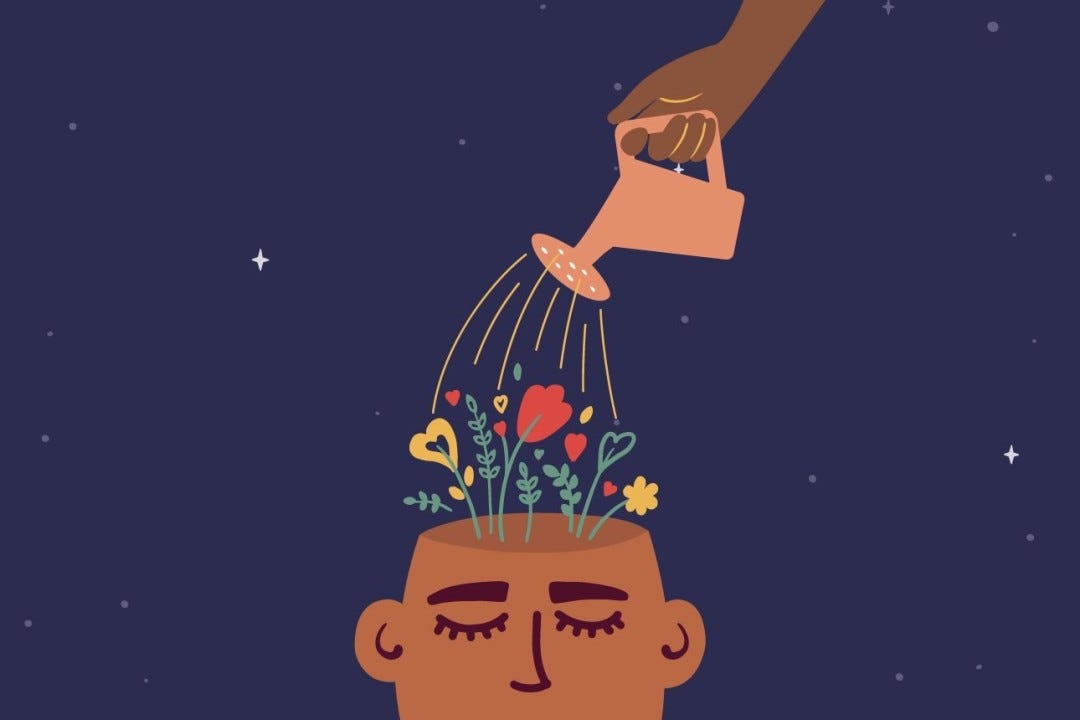
Your brain is not a content factory. It’s an ecosystem that requires input, rest, and time to process experiences.
Stop Forcing Great Ideas
When burnout appears, many creators respond by working harder.
They:
- Watch more filmmaking tutorials.
- Start new projects.
- Force themselves to write every day.
- Panic because they’re “falling behind.”
Ironically, this often makes burnout worse.
Creativity responds poorly to desperation.
Sometimes the most productive thing you can do is temporarily stop demanding brilliant ideas from yourself.
Ask instead:
What if I don’t need a masterpiece this week?
Give yourself permission to create nothing extraordinary.
Your next great idea is unlikely to appear while you’re aggressively refreshing your imagination every twenty minutes.
Inspiration Doesn’t Live Exclusively in Cinema
One of the fastest ways to recover creatively is to stop consuming only the kind of work you produce.
If you’re a filmmaker, spend less time watching films and more time exploring:
- Architecture.
- Photography.
- Music.
- Fashion.
- Contemporary art.
- Dance.
- Literature.
- Psychology.
- Cooking.
- Travel.
- Everyday conversations.
Creative breakthroughs often happen when unrelated ideas collide.
A lighting concept might emerge from visiting a museum. A character could be inspired by someone you overheard at a café. An entire visual style may begin with a piece of music.
Creativity thrives on unexpected connections.
Work at Zero
There’s a misconception that creativity always feels exciting. Sometimes creativity feels like absolutely nothing at all.
Professional creators eventually learn how to work in what can only be described as “creative zero.”
Creative zero means:
- You don’t feel inspired.
- You don’t feel productive.
- You don’t feel particularly talented.
But you still show up.
That doesn’t necessarily mean writing twenty pages of a screenplay or directing a music video. Sometimes showing up simply means:
- Taking photographs.
- Writing one paragraph.
- Sketching ideas without judging them.
- Watching people in public spaces.
- Rearranging your workspace.
Small creative actions maintain momentum without demanding perfection.
The goal during burnout isn’t brilliance—it’s movement.
Protect Your Curiosity
Burnout doesn’t only drain energy. It also steals curiosity.
When creators become exhausted, they often stop asking interesting questions.
Try replacing:
“What should I make next?”
with:
“What am I curious about right now?”
Perhaps you’re curious about:
- Why certain films make audiences cry.
- The rhythm of everyday conversations.
- How dancers tell stories without dialogue.
- Why people become obsessed with nostalgia.
Curiosity is often easier to access than inspiration.
And inspiration frequently arrives disguised as curiosity.
Rest Is Part of the Creative Process
Many creatives feel guilty when they’re resting because it doesn’t look productive.
Here’s the uncomfortable truth:
Doing nothing is sometimes essential creative work.
Your brain continues processing ideas when you’re:
- Walking.
- Sleeping.
- Traveling.
- Exercising.
- Spending time with friends.
- Experiencing life outside of your projects.
Some of the best creative solutions emerge precisely because you temporarily stopped searching for them.
Burnout is often less about needing more ideas and more about needing more experiences.
Stop Comparing Your Creative Timeline
Nothing accelerates burnout quite like comparison.
Social media has made it dangerously easy to believe everyone else is constantly:
- Winning awards.
- Signing studio deals.
- Releasing new projects.
- Building extraordinary careers.
Creative careers are rarely linear.
Every successful filmmaker has experienced:
- Rejected projects.
- Creative droughts.
- Failed experiments.
- Periods of uncertainty.
The difference is that burnout rarely makes it into anyone’s highlight reel.
Your temporary lack of inspiration is not evidence that you’ve fallen behind. It’s evidence that you’re human.
Build Creative Habits, Not Creative Pressure
One of the healthiest ways to protect yourself from burnout is to focus less on outcomes and more on habits.
Instead of saying:
“I need an amazing idea this month.”
Try:
- Read one chapter every evening.
- Write for ten minutes every morning.
- Visit one new place each week.
- Watch one film outside your usual tastes.
- Carry a notebook everywhere.
Creative habits are sustainable. Creative pressure isn’t.
Consistency almost always outperforms occasional bursts of inspiration.
Creativity Is Cyclical
Perhaps the most important thing to remember during burnout is that creativity operates in cycles.
There are seasons for:
- Creating.
- Learning.
- Resting.
- Experimenting.
- Failing.
- Growing.
You are not required to live permanently in creative production mode.
Filmmakers spend years developing their voices. Writers discard entire drafts. Artists abandon projects that eventually become something entirely different.
Burnout isn’t necessarily a signal to quit. Sometimes it’s simply an invitation to pause long enough to become curious again.
Your Inner Generator Isn’t Broken
When your creative engine says “stop,” it isn’t betraying you.
It’s communicating something valuable.
Maybe you’ve been creating without resting. Maybe you’ve been consuming without experiencing. Maybe you’ve spent so much time chasing productivity that you’ve forgotten why you started making things in the first place.
The solution isn’t always more discipline. Sometimes it’s more life.
The next great idea you’re waiting for probably isn’t hiding inside your laptop or your unfinished screenplay.
It’s waiting somewhere outside your usual routine—in a conversation, a book, a city you’ve never visited, or a quiet afternoon when you’ve finally stopped demanding creativity from yourself.
Your inner generator doesn’t need to work every day to be extraordinary.
Sometimes, it simply needs time to recharge before surprising you again.