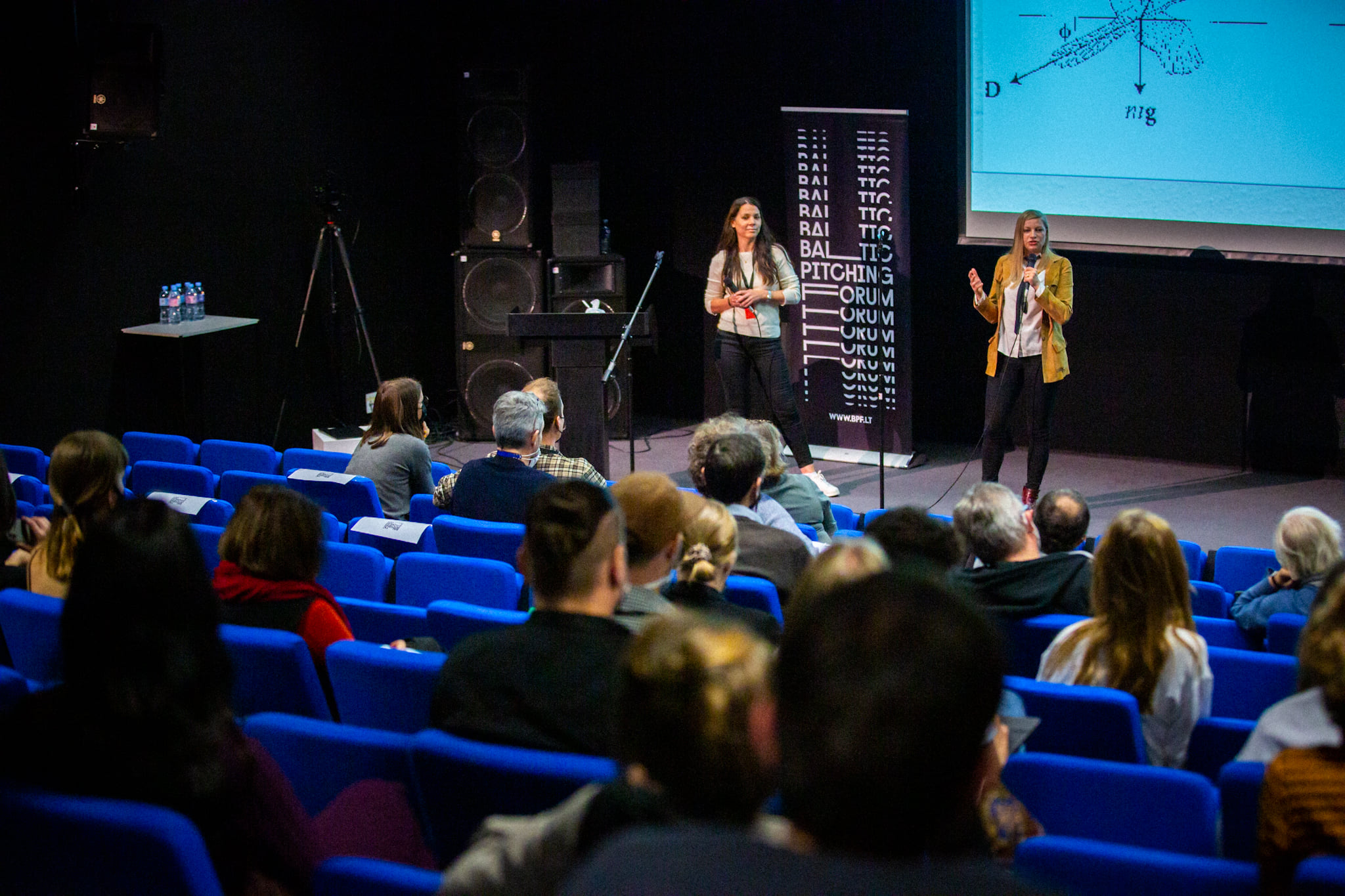
Every filmmaker has had that moment—the one where an idea arrives fully formed in your head and feels absolutely brilliant. It’s unconventional, visually ambitious, emotionally powerful, and unlike anything you’ve seen before.
Then comes the difficult part: explaining it to other people.
Suddenly, you’re sitting across from producers who have heard thousands of pitches before, and you’re trying to convince them that your story about dancing astronauts, a treadmill-powered thriller, or a dialogue-free emotional drama isn’t creative insanity—it’s cinema.
The truth is, producers don’t automatically reject unusual ideas. They reject ideas they don’t understand.
Your job isn’t simply to pitch something original. It’s to make people excited about something they didn’t know they wanted.
Producers Don’t Buy Ideas—They Buy Confidence
Many filmmakers assume producers are looking exclusively for “safe” projects. That’s only partially true.
Producers are actually looking for:
- Clear creative vision.
- Audience potential.
- Practical execution.
- Confidence from the filmmaker.
- Something memorable.
A brilliant concept delivered with uncertainty immediately becomes difficult to support.
Compare these two approaches:
“It’s kind of experimental and maybe audiences will understand it…”
versus
“This film uses silence to make audiences experience loneliness in a way dialogue simply can’t.”
The idea hasn’t changed. The confidence behind it has.
People are far more willing to invest in ambitious ideas when the filmmaker understands exactly why those ideas exist.
Start With the Emotional Hook
Many creators make the mistake of beginning their pitch by explaining plot details.
Don’t.
Producers hear plot summaries all day.
Instead, answer this question first:
Why should anyone care?
Start with the emotional experience.
Examples:
- “I want audiences to feel what social anxiety sounds like when nobody speaks.”
- “This film explores how ambition can become a treadmill you never step off.”
- “It’s a love story about two strangers who never actually meet.”
Emotion sells concepts. Plot explains them.
If people connect emotionally within the first thirty seconds of your pitch, they’re significantly more likely to stay curious about the rest.

Make the Weird Feel Familiar
One of the most effective pitching techniques is combining something unconventional with something immediately understandable.
The formula is surprisingly simple:
Familiar concept + unexpected execution = curiosity.
For example:
- A breakup story told entirely through choreography.
- A coming-of-age film that unfolds during one elevator ride.
- A psychological thriller set inside a fitness class.
Producers don’t need to understand every creative detail immediately. They simply need a clear entry point into your idea.
Think of it as translating your creativity into a language other people can access.
Visualize the Experience
Film is a visual medium, and great pitches should feel cinematic.
Avoid lengthy explanations whenever possible.
Instead, describe moments audiences will remember:
“Imagine a character running on a treadmill while delivering the most honest confession of their life.”
or
“The camera never leaves the back seat of a taxi while an entire relationship falls apart.”
People remember images far more easily than abstract concepts.
The more vividly you communicate your film’s emotional and visual identity, the easier it becomes for others to imagine it existing.
Know Your Three-Sentence Pitch
If someone asks what your project is about, you should be able to explain it clearly in less than thirty seconds.
A useful formula looks like this:
- What is it?
- Why is it different?
- Why does it matter?
For example:
“It’s a short film about creative burnout told entirely through physical movement. Instead of dialogue, the audience experiences the character’s emotional state through choreography and sound design. It’s a reminder that sometimes we don’t need words to understand what another person is feeling.”
Simple. Clear. Memorable.
If you can’t explain your film quickly, chances are you don’t fully understand its core idea yet.
Anticipate the Difficult Questions
Every unconventional idea comes with practical concerns.
Be prepared to answer questions such as:
- Who is the audience?
- How much will it cost?
- Why does this need to exist now?
- How will you execute it?
- Why are you the right person to direct it?
The goal isn’t to defend yourself—it’s to demonstrate preparation.
Producers don’t expect perfection. They expect clarity.
Confidence becomes far more convincing when supported by practical thinking.
Pitch Solutions, Not Problems
Imagine saying:
“This film has no dialogue, so it’s probably difficult to market.”
Now compare that with:
“Because the film relies entirely on visual storytelling, it can immediately connect with international audiences without language barriers.”
Same creative choice. Completely different perspective.
Every unusual creative decision should come with an explanation of why it strengthens the project.
Never make producers work harder than necessary to understand why your idea is valuable.
Enthusiasm Is Contagious
One of the most overlooked aspects of pitching is energy.
People invest in creators almost as much as they invest in projects.
If you don’t sound excited about your own film, nobody else will be.
You don’t need to perform or oversell your concept. You simply need to communicate genuine enthusiasm.
Passion is difficult to fake—and equally difficult to ignore.
Some of the world’s strangest and most ambitious films exist today because someone walked into a room and explained their impossible idea with absolute conviction.
Remember: Safe Isn’t Always Successful
The film industry loves to talk about risk. Ironically, audiences frequently fall in love with projects that would have sounded ridiculous in a pitch meeting.
Innovation has always sounded strange before it became influential.
Every creative breakthrough was once:
- Too unusual.
- Too ambitious.
- Too experimental.
- Too different.
The difference between an impossible idea and an exciting opportunity is often nothing more than how it’s presented.

Sell Your Vision, Not Your Weirdness
The goal of pitching isn’t convincing people that your idea is crazy enough to stand out.
It’s convincing them that your vision is clear enough to succeed.
Producers don’t need another generic project that looks like everything else currently being made. They need filmmakers who understand their ideas well enough to bring them to life.
So the next time someone tells you your concept sounds unusual, take it as a compliment.
Originality is rarely the problem.
Poor communication usually is.
The best pitches don’t make people think, “That’s weird.”
They make people say:
“I have absolutely no idea how that’s going to work—but I want to see it.”
And that’s exactly where great cinema begins.