Finishing a film feels like crossing the finish line. After months—or sometimes years—of writing, planning, shooting, editing, and solving countless creative problems, pressing “Export” on the final cut can feel like the end of the journey.
In reality, it’s only the halfway point.
One of the biggest misconceptions among emerging filmmakers is believing that creating great work automatically guarantees an audience. Unfortunately, the creative industry doesn’t work that way. Every year, thousands of exceptional short films, music videos, and independent projects are completed and quietly disappear because their creators never considered what happens after the final frame.
Making a film is only 50% of the job.
The other 50% is making sure the right people actually see it.
Great Work Doesn’t Market Itself
There’s a romantic idea that if something is good enough, audiences will inevitably discover it. While talent certainly matters, visibility matters too.
Today’s creative landscape is incredibly crowded.
Every day, audiences are presented with:
- Thousands of videos.
- Independent film releases.
- Social media content.
- Festival announcements.
- Streaming recommendations.
- Creative portfolios competing for attention.
Even brilliant projects can become invisible without a thoughtful strategy.
Marketing isn’t about becoming less artistic. It’s about helping your work find the audience it deserves.

Think Like a Creative Entrepreneur
Modern filmmakers wear multiple hats.
You are no longer only:
- A director.
- A writer.
- A producer.
You are also:
- A marketer.
- A brand strategist.
- A distributor.
- A community builder.
- A business owner.
That may sound intimidating, but it’s also empowering.
Understanding how your work reaches audiences gives you greater creative control over your career. You don’t need to become a marketing expert overnight, but you do need to understand the fundamentals.
Ask yourself:
- Who is this project for?
- Where do those people spend their time online?
- What conversations is this film participating in?
- Why would someone stop scrolling to watch it?
These questions are just as important as creative decisions made during production.
Your Film Needs a Story Outside the Screen
People rarely connect with projects in isolation. They connect with the stories surrounding them.
Audiences are interested in:
- Why you made the film.
- How it was created.
- What inspired the idea.
- The challenges behind production.
- The people involved.
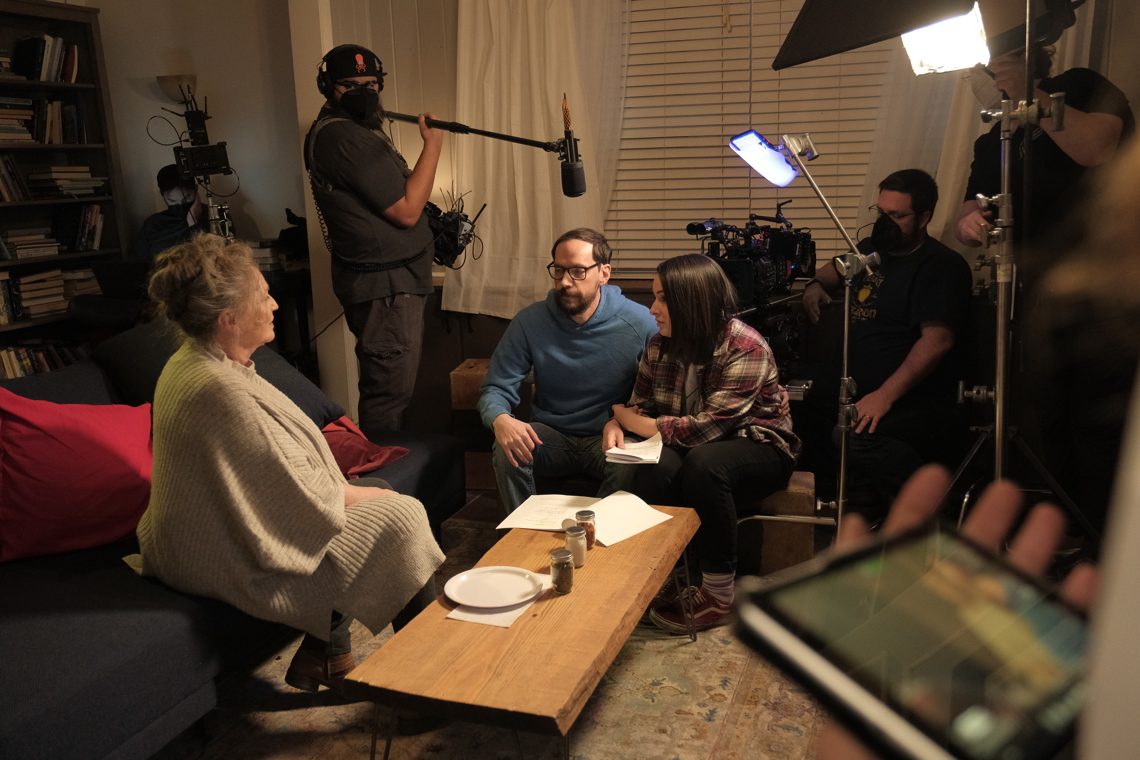
Modern filmmaking doesn’t end when the credits roll. Behind-the-scenes content, interviews, production journals, and social media storytelling all contribute to building audience engagement.
Sometimes people discover filmmakers before they discover their films.
Your creative process can become part of your artistic identity.
Distribution Is a Creative Decision
Many independent creators treat distribution as an afterthought. In reality, distribution is one of the most important creative and business decisions you’ll make.
Ask yourself:
- Is this project intended for film festivals?
- Does it belong online?
- Would it perform better as a series of short-form videos?
- Is the audience local or international?
- Should it premiere publicly or remain exclusive for certain platforms?
Different projects require different strategies.
Not every film needs a traditional festival run. Not every project benefits from immediate online release.
Understanding where your work belongs can significantly increase its impact.
Learn How Algorithms Think
Whether we like it or not, algorithms play an important role in modern creative careers.
You don’t need to “create for algorithms,” but you should understand how they influence visibility.
Algorithms tend to reward:
- Consistency.
- Audience engagement.
- Strong visual presentation.
- Clear positioning.
- Shareable content.
The goal isn’t to compromise your artistic vision. It’s to package that vision intelligently.
Think of marketing as translation.
You’re translating your creative ideas into formats that help audiences discover them.
Build an Audience Before You Need One
One mistake many filmmakers make is waiting until their project is finished before introducing themselves to the world.
Building an audience is a long-term process.
Share:
- Creative experiments.
- Production insights.
- Lessons from filmmaking.
- Behind-the-scenes moments.
- Personal perspectives on creativity.
Audiences are far more likely to support artists they feel connected to over time.
Your next project becomes easier to launch if people are already interested in your creative journey.
Your Brand Is Bigger Than Any Single Film
Many creators become emotionally attached to the success or failure of individual projects.
The truth is that your career is larger than any one film.
Think about your creative brand as an ongoing conversation rather than a collection of isolated releases.
Ask:
- What themes consistently appear in my work?
- What kind of filmmaker am I becoming?
- What do I want audiences to associate with my name?
Successful filmmakers aren’t remembered because they made one successful project. They’re remembered because they developed recognizable creative identities over time.
Your audience is investing in your perspective—not just your latest release.
Marketing Doesn’t Mean Becoming a Salesperson
The word “marketing” makes many artists uncomfortable because it sounds commercial or inauthentic.
Marketing is simply communication.
It’s explaining:
- Why your work matters.
- Who it’s for.
- What experience it offers.
- Why people should care.
If you can passionately explain your film to a friend, you’re already marketing.
The difference is scale.
Marketing doesn’t require exaggeration or gimmicks. It requires clarity and consistency.
Treat Your Career Like a Long-Term Project
Creative careers are built over decades, not individual releases.
Approach your work the same way you would approach directing a film:
- Develop a vision.
- Create a strategy.
- Build meaningful collaborations.
- Adapt when necessary.
- Stay committed to your voice.
Business knowledge doesn’t diminish creativity—it protects it.
The more you understand how projects are financed, marketed, and distributed, the more opportunities you’ll have to continue making the work that matters to you.
Make the Film—and Make Sure It Finds Its Audience
Creating meaningful work remains the heart of filmmaking. None of the business considerations matter if the work itself isn’t authentic and compelling.
But creativity alone is no longer enough.
The modern filmmaker is part artist and part entrepreneur. Understanding marketing and distribution isn’t a distraction from filmmaking—it’s an essential extension of it.
The world is full of extraordinary projects that never found their audiences. Don’t let yours become one of them.
Make the film you believe in.
Learn how to talk about it.
Learn where it belongs.
And most importantly, remember that pressing “Export” isn’t the end of the process—it’s simply the moment your film is finally ready to meet the world.