There is a particular kind of panic that every director experiences at least once in their career: standing in the middle of a crowded set with fifty people asking questions simultaneously while actors miss their marks, extras look directly into the camera, and someone accidentally walks through the frame carrying a coffee cup that definitely wasn’t in the script.
Crowd scenes have a reputation for being chaotic—and for good reason. The more moving parts you introduce, the greater the potential for confusion. Yet some of cinema’s most memorable moments are built on carefully orchestrated chaos that feels completely natural on screen.
The secret? Great crowd scenes aren’t controlled—they’re choreographed.
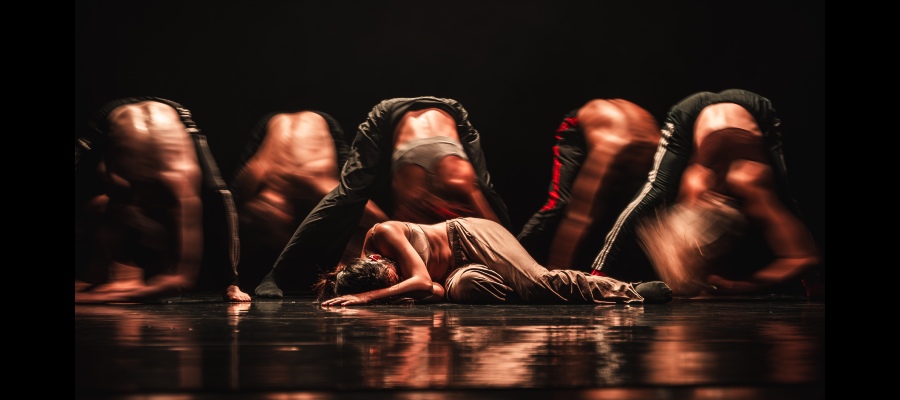
As a director, your job isn’t to micromanage every movement. It’s to create a rhythm where actors, extras, and camera work together like dancers performing the same routine.
Stop Thinking Like a Traffic Controller
One of the biggest mistakes young directors make is treating crowd scenes like traffic management. They spend their time pointing at people and saying things like:
- “You walk over there.”
- “You stand next to him.”
- “You move after she sits down.”
The result is usually a frame full of people who look exactly like what they are—individuals following instructions.
Real life doesn’t move that way.
Instead of directing people individually, think about directing energy.
Ask yourself:
- Is this space calm or chaotic?
- Is everyone moving with purpose or wandering aimlessly?
- Does this moment feel intimate despite the number of people present?
- Where should the audience’s eye travel first?
Once you understand the emotional purpose of the scene, choreography becomes significantly easier.
Every Crowd Scene Has a Main Character
Even if there are one hundred people in the frame, your audience can only focus on one thing at a time.
Before rehearsals begin, decide:
- Who owns the moment?
- Where should viewers look first?
- What emotional information is most important?
Everything else becomes supporting choreography.
Imagine directing a busy restaurant scene. Your protagonist enters the room looking for someone they’ve been avoiding for years. The audience doesn’t care what every extra is doing—they care whether the protagonist notices the person sitting in the corner.
The crowd exists to support that emotional journey.
The more people you have in a scene, the more important clarity becomes.
Think of Movement Like Music
Complex crowd scenes work best when directors think rhythmically.
Movement has tempo:
- Fast movement creates urgency.
- Slow movement builds tension.
- Repetition creates visual harmony.
- Stillness creates focus.
One useful directing exercise is to watch crowd scenes with the sound turned off.
Observe:
- How people enter and exit the frame.
- How camera movement influences energy.
- How background actors support the story.
- Where your eyes naturally travel.
Great crowd choreography feels effortless because it follows an internal rhythm.
If everyone moves at the same speed or in the same direction, scenes quickly become visually uninteresting. Variety creates life.
Sometimes one person standing completely still in a moving crowd becomes the most powerful image in the entire film.
Divide the Chaos Into Zones
Large scenes become manageable when broken into smaller units.
Instead of directing thirty extras simultaneously, divide the set into zones:
Zone One – Foreground Action
This is where your primary story unfolds. Every movement should be intentional and emotionally motivated.
Zone Two – Secondary Movement
Supporting actors contribute to the atmosphere without competing for attention.
Zone Three – Background Life
This is where the world feels authentic. Conversations, movement, and environmental details add texture to the scene.
Thinking in layers immediately simplifies communication on set.
Rather than shouting instructions to everyone at once, you can focus on directing one zone at a time.
Rehearsal Is Your Best Friend
The larger the scene, the more valuable rehearsals become.
And here’s the good news—you don’t always need cameras rolling.
Walk through the scene physically with your cast and crew:
- Where does everyone enter?
- When does the camera move?
- What happens if someone misses their mark?
- Where are the natural moments of chaos?
Treat rehearsals like dance practice rather than technical preparation.
Many directors discover their best ideas while watching actors move through a space naturally. Sometimes an unexpected interaction between performers becomes the emotional highlight of the scene.
Leave room for those discoveries.
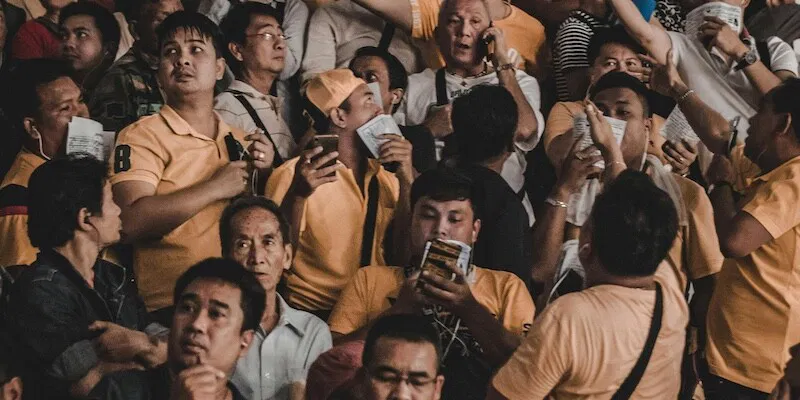
Don’t Over-Control Background Actors
One of the fastest ways to kill authenticity is over-directing extras.
People naturally:
- Talk over one another.
- Move unpredictably.
- Gesture differently.
- React at slightly different times.
Real environments are imperfect.
Instead of giving everyone specific actions, provide simple objectives:
- You’re waiting for a friend.
- You’re late for work.
- You’re celebrating good news.
- You’re trying not to spill your coffee.
Suddenly, people stop acting like extras and start behaving like human beings.
Authenticity often emerges when directors stop trying to control every detail.
Camera Movement Is Part of the Choreography
Complex scenes are never just about actors—they’re about the relationship between performers and camera movement.
Ask yourself:
- Is the camera observing or participating?
- Should it flow through the crowd or remain distant?
- What information is revealed as it moves?
The camera has its own choreography.
In many cases, simplifying camera movement dramatically improves complicated scenes. A beautiful tracking shot means very little if half the actors miss their timing.
The most impressive crowd sequence is not the one with the most complicated camera move—it’s the one that feels emotionally coherent.
Embrace Controlled Chaos
The truth about directing large scenes is that something will always go wrong.
Someone will:
- Miss their cue.
- Walk into frame unexpectedly.
- Forget their direction.
- Make a mistake that somehow improves the scene.
Great directors don’t fight chaos—they shape it.
Some of cinema’s most memorable moments happened because filmmakers remained flexible enough to adapt when reality became more interesting than the original plan.
Chaos isn’t the enemy of creativity. Sometimes it’s where creativity lives.
Direct the Feeling, Not Just the Movement
Ultimately, audiences don’t remember how technically complicated a crowd scene was to shoot. They remember how it made them feel.
They remember:
- The tension of a crowded train station goodbye.
- The joy of a chaotic celebration.
- The loneliness of standing still while everyone else moves.
- The energy of a city that feels alive.
Those emotions are created through thoughtful choreography—not perfection.
The next time you’re standing on a crowded set wondering how you’re going to organize twenty moving actors and a camera operator with five different ideas, remember this:
You’re not directing chaos.
You’re conducting an orchestra where movement, emotion, and storytelling all happen at once.
And like any great dance, when it works, it looks effortless—even if it nearly drove you crazy getting there.