Great directing has more in common with music than most people realize. Before actors speak their first line or the camera begins to roll, every scene already has a rhythm. Some moments demand a slow build, others require rapid movement and tension. The difference between a scene that feels alive and one that feels flat often comes down to timing—and timing is music.
Many directors approach filmmaking primarily as a visual craft. They think about composition, lighting, or camera lenses first. But experienced filmmakers know that audiences don’t simply watch movies—they feel them. That emotional response is created through rhythm.
Long before you hear “Action!”, your film already has a beat.
Every Scene Has Its Own Tempo
Think about your favorite films for a moment. Chances are, you can remember not only what happened but also how it felt. A tense conversation might feel almost unbearably slow. A chase sequence can make your heart race. A romantic moment may seem to suspend time altogether.
That’s rhythm at work.
Every scene naturally has its own tempo:
- Fast and chaotic
- Slow and intimate
- Playful and unpredictable
- Tense and controlled
- Dreamlike and fluid
- Sharp and energetic
As a director, one of your most important jobs is identifying that tempo before stepping onto the set.
Ask yourself:
- How should the audience breathe during this scene?
- Where should they feel tension?
- When should they relax?
- What emotional beat changes everything?
If you can answer those questions, you’re already directing rhythm—not just actors.
Edit the Film in Your Head First
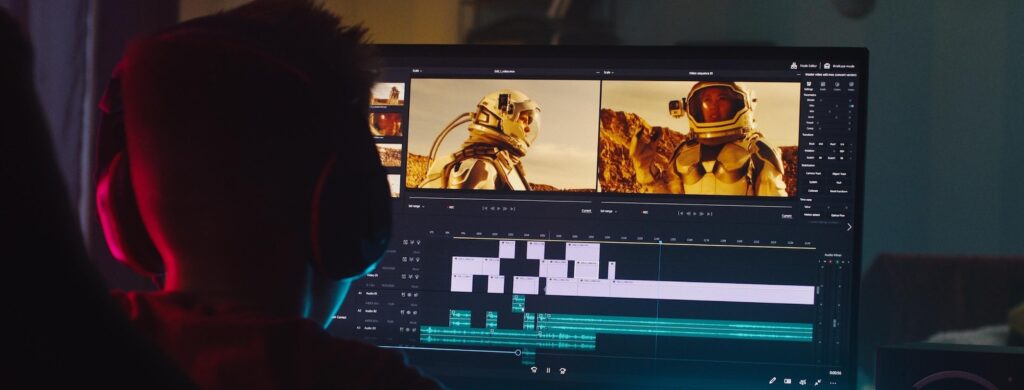
One of the most practical directing habits you can develop is mentally editing your scene before shooting it.
You don’t need storyboards for every moment (although they’re helpful). What you need is an internal sense of timing.
Imagine watching your finished scene in real time:
- When does the camera move?
- How long should an actor pause before speaking?
- Does a joke land immediately or after an awkward silence?
- How long should you hold on a reaction shot?
Many inexperienced directors shoot excessive coverage because they’re uncertain about pacing. They hope they’ll “find the rhythm in post.”
The truth? Great editing usually begins during prep.
If you already understand the emotional rhythm of a scene, every creative decision becomes easier—from camera placement to actor direction.
Learn to Direct Like a Music Producer
Music producers understand something filmmakers sometimes forget: silence is just as important as sound.
The same principle applies to directing.
Not every moment should feel equally intense. Rhythm comes from contrast.
Imagine a scene structured like a song:
- Intro – establish atmosphere.
- Verse – introduce information.
- Chorus – deliver emotional impact.
- Bridge – create surprise.
- Final beat – leave the audience wanting more.
This musical mindset can dramatically improve your storytelling.
Some practical exercises include:
- Reading dialogue aloud while tapping your fingers to its rhythm.
- Timing scenes with a stopwatch during rehearsals.
- Cutting unnecessary dialogue that slows emotional momentum.
- Watching silent rehearsals to study movement and pacing.
When something feels “off” in a scene, it’s often not the performances—it’s the rhythm.
Actors Feel Timing More Than You Think
Actors don’t simply memorize lines. They respond instinctively to rhythm.
A well-directed performance often depends less on what an actor says and more on when they say it.
Small adjustments can completely transform a moment:
Instead of:
“Say the line faster.”
Try:
“Take one extra breath before speaking.”
Or:
“Pause after the word ‘sorry’ and don’t look at them immediately.”
These timing adjustments create emotional authenticity.
Comedy, drama, suspense, and even action all depend heavily on timing. Great actors understand this instinctively, but directors are responsible for creating the environment where that timing can emerge naturally.
Camera Movement Has a Beat Too
Many directors think of camera movement as a technical decision. In reality, it’s choreography.
A handheld camera creates one kind of rhythm. Slow tracking shots create another. Locked-off compositions communicate something entirely different.
Before moving your camera, ask:
- Is this scene breathing slowly or quickly?
- Should the camera anticipate movement or react to it?
- Does the audience need energy or stillness?
A moving camera should never move simply because it can.
The camera is dancing with the actors. If they’re performing jazz while your camera operates like classical piano, the scene will feel disconnected—even if viewers can’t explain why.
Everything must follow the same emotional tempo.
Rhythm Helps You Manage Chaos
Film sets are noisy places. People ask questions constantly:
- Which lens are we using?
- Should the actor stand here or there?
- Can we make the scene shorter?
- Do we need another take?
Directors who understand rhythm make decisions faster because they already know how the finished scene should feel.
When chaos inevitably appears on set, rhythm becomes your compass.
If something isn’t serving the emotional pace of the scene, it doesn’t belong there.
Understanding tempo also helps when time is limited—a reality every filmmaker eventually faces.
Sometimes you’ll have only twenty minutes to shoot what was supposed to take two hours. Knowing the essential beats of your scene allows you to prioritize what truly matters.
Watch Films With Your Ears
Here’s an exercise many directors never try:
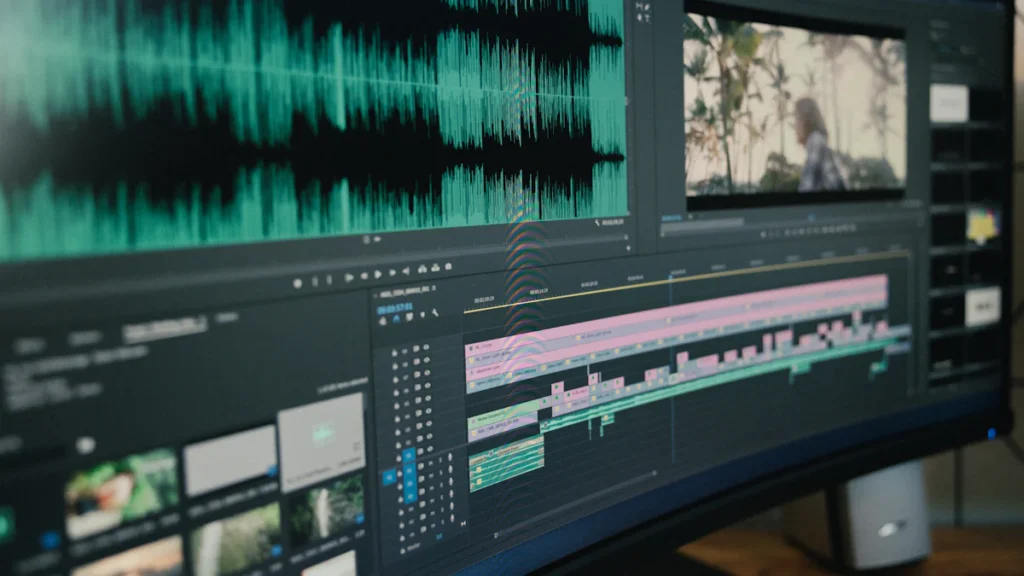
Watch great films without looking at the screen.
Listen to:
- The pacing of dialogue.
- Breathing between lines.
- The rhythm of silence.
- Changes in emotional intensity.
- Sound design transitions.
Then watch the scene again without audio.
You’ll quickly discover that great directing is fundamentally about rhythm.
Every choice supports an invisible emotional beat that guides the audience through the story.
Think Less Like a Director—More Like a Musician
Filmmaking is often described as visual storytelling, but perhaps it’s more accurate to call it emotional choreography.
The most memorable scenes are not necessarily the most technically impressive ones. They’re the scenes that feel right. Their timing is effortless. Their rhythm is invisible.
When directors begin thinking musically, they stop merely capturing performances and start conducting them.
Before you call “Action!” on your next project, ask yourself one simple question:
What does this scene sound like—even before anyone speaks?
Because every great film has a rhythm. Your job as a director is simply to help everyone else hear it.