Some of the most memorable moments in cinema are not defined by spectacular visual effects or elaborate sets. Sometimes, they revolve around something as simple as a chair, a cup of coffee, a pair of shoes—or even a treadmill.
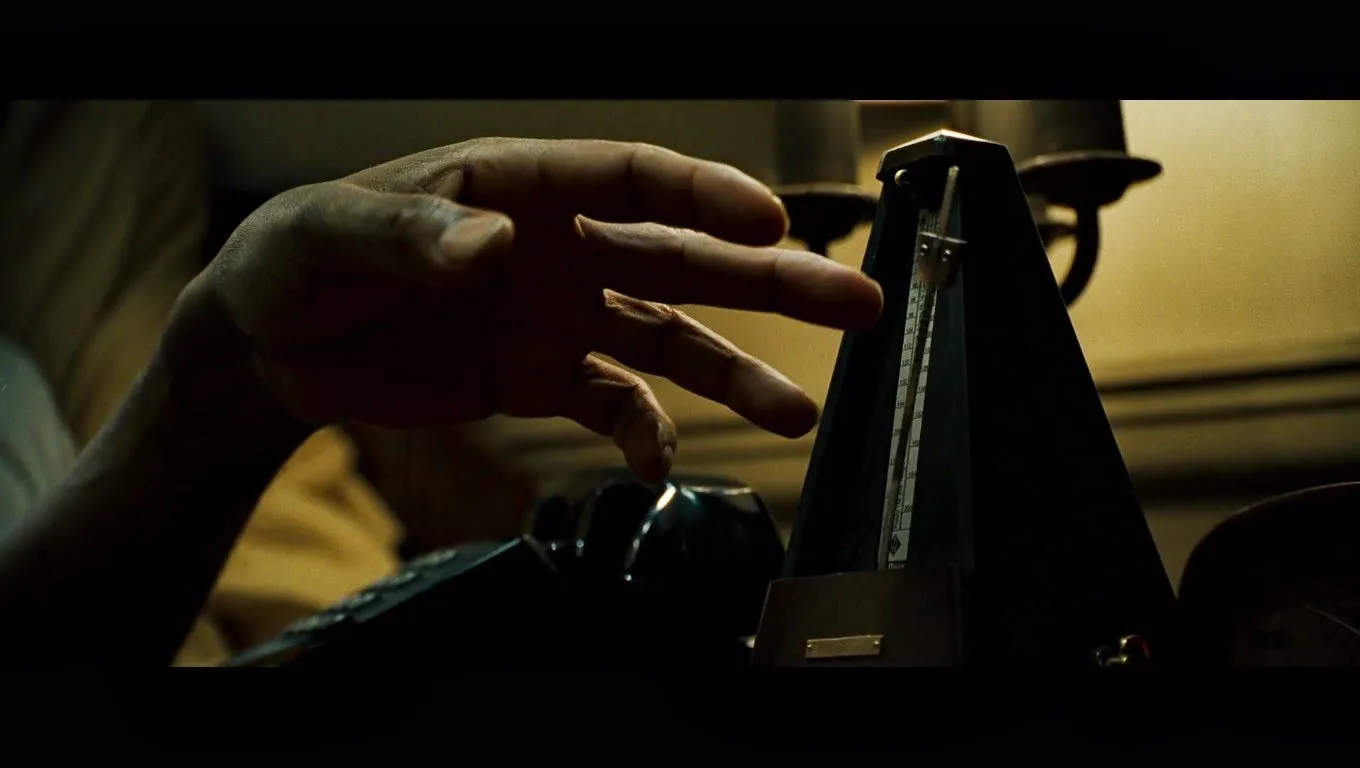
Filmmakers often think of props as supporting elements that help establish a scene’s realism. But great directors understand that objects are never just objects. Every item an actor touches has the potential to reveal character, create tension, build emotion, or become an essential part of the narrative.
The difference between a prop and a storytelling device is simple: intention.
When used thoughtfully, everyday objects can become some of the most powerful actors in your film.
Props Tell Stories Before Actors Speak
Imagine walking into a room and seeing:
- A broken watch sitting carefully on a desk.
- A treadmill covered in clothes instead of being used.
- A half-finished sketchbook abandoned beside a bed.
- A worn-out coffee mug repaired multiple times.
Without a single line of dialogue, you’ve already begun building a story.
Objects carry emotional and psychological information. They tell audiences who your characters are, what they value, what they’ve lost, and what they might be hiding.
Props answer questions viewers don’t even realize they’re asking:
- How does this person live?
- What kind of habits do they have?
- What matters most to them?
- What are they afraid of losing?
Great production design isn’t about decorating a scene—it’s about revealing invisible layers of character.
Actors Need Something to Play With
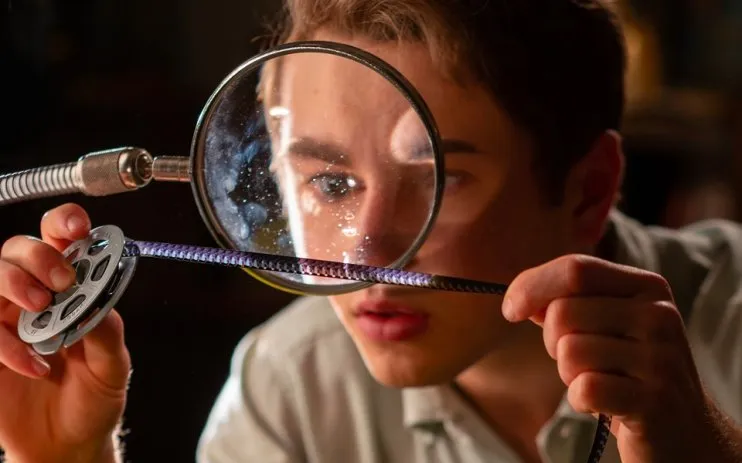
Actors rarely perform their best when they’re simply standing still and reciting dialogue.
Human beings naturally interact with their environment. We touch objects when we’re nervous, rearrange things when we’re anxious, and hold onto familiar items when we’re vulnerable.
Props provide actors with opportunities for authentic behavior.
Consider how differently a scene might play depending on what an actor is doing:
Instead of:
Two characters sitting across from each other talking.
Try:
One character nervously folding a paper napkin while avoiding eye contact.
Or:
Two siblings assembling furniture together while discussing their childhood.
Suddenly, the dialogue becomes secondary to the emotional experience unfolding through physical action.
Movement creates truth.
Space Is Part of the Performance
Directors often focus on performances while overlooking one critical question:
How are the actors interacting with their environment?
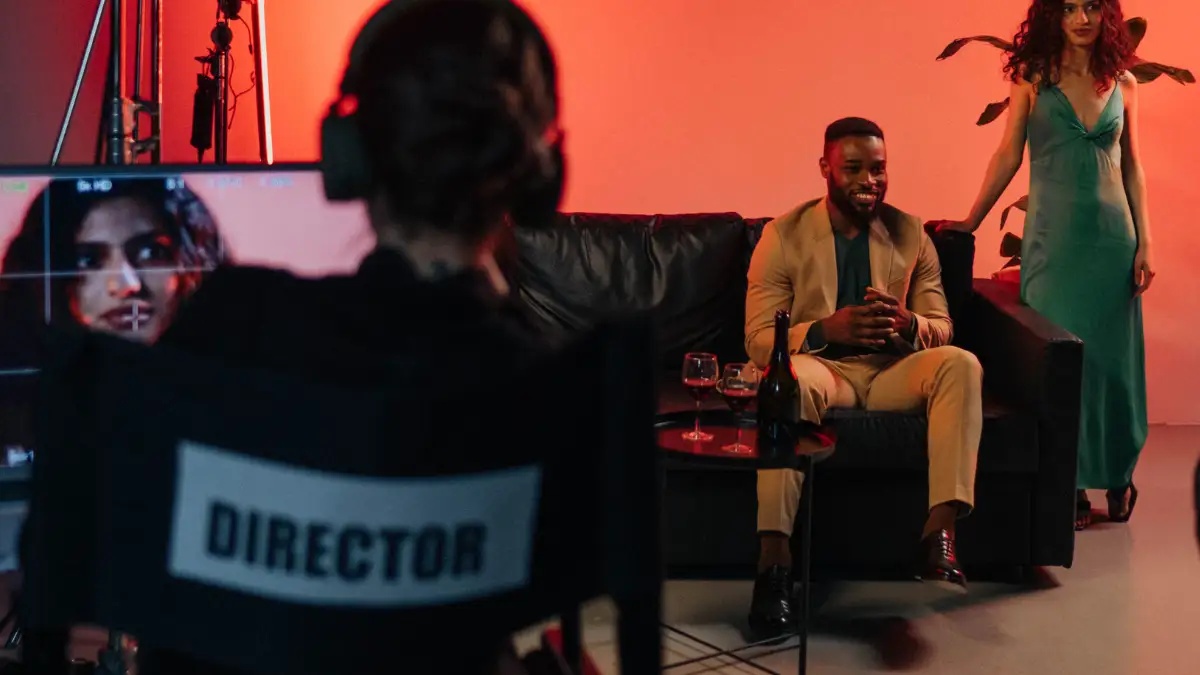
A film set isn’t simply a location—it’s an extension of your characters.
Ask yourself:
- Can the actor sit on the table instead of the chair?
- What happens if they walk while delivering the dialogue?
- Can they physically struggle with an object during an emotional moment?
- How does the space itself influence the scene?
The most interesting choices are often the least obvious ones.
An actor slowly walking on a treadmill while rehearsing a difficult conversation immediately creates visual and emotional tension. The audience begins asking questions before anyone speaks.
Ordinary objects become extraordinary when placed in unexpected emotional contexts.
Props Create Emotional Memory
Audiences are remarkably good at attaching emotional meaning to objects.
Think about some of cinema’s most iconic props throughout film history. They become memorable not because they’re visually impressive but because they’re emotionally significant.
Objects work particularly well when they:
- Represent relationships.
- Symbolize change or loss.
- Reveal hidden aspects of character.
- Return throughout the narrative.
- Contrast with the emotional tone of a scene.
A childhood toy appearing years later can communicate nostalgia more effectively than an entire page of dialogue. A treadmill used daily by a character chasing impossible standards of perfection may quietly represent their emotional struggles.
The object itself remains simple. The story surrounding it gives it meaning.
Don’t Decorate—Direct
Many beginning filmmakers make the mistake of filling sets with visually interesting objects that serve no narrative purpose.
Every prop should answer one important question:
Why is this here?
If an object appears in the frame, it should ideally contribute something meaningful:
- Character development.
- Emotional atmosphere.
- Narrative progression.
- Visual storytelling.
- Actor movement and interaction.
Minimalism is often more effective than clutter.
One meaningful object will always outperform ten meaningless ones.
Unexpected Objects Create Memorable Scenes
Some of the most creative directing decisions emerge from embracing unconventional ideas.
Ask yourself:
- What if this emotional conversation happens while two people are building IKEA furniture?
- What if a character delivers a life-changing confession while running on a treadmill?
- What if an ordinary umbrella becomes the emotional centerpiece of an entire short film?
Audiences are naturally drawn to unexpected combinations.
Unusual props often:
- Make scenes visually memorable.
- Encourage more dynamic performances.
- Create opportunities for humor or tension.
- Strengthen thematic storytelling.
The goal isn’t eccentricity for its own sake. It’s discovering creative ways to communicate emotion through action.
Physical Action Reveals Emotional Truth
One of the greatest challenges in directing actors is helping them avoid “performing emotions.”
People rarely sit perfectly still while experiencing powerful emotions in real life. We fidget, pace, clean, cook, and interact with our surroundings.
Props allow emotions to emerge organically.
Instead of directing:
“Look sad.”
Try:
“Keep trying to fix the broken radio while talking.”
Or:
“Continue packing the suitcase without looking at them.”
Physical objectives often produce more honest emotional performances than abstract emotional instructions ever could.
Actors play actions—not emotions.
Budget-Friendly Storytelling
There’s another advantage to using props creatively: they’re inexpensive.
Independent filmmakers frequently assume that cinematic moments require expensive locations or elaborate production design. In reality, some of the strongest visual storytelling tools are already sitting around your house.
A simple object can:
- Create visual interest.
- Inspire an entire scene.
- Deepen character development.
- Add symbolic meaning.
- Elevate production value without increasing costs.
Creative storytelling is rarely about having more resources. It’s about seeing greater potential in what you already have.
Every Object Has a Story
Directing isn’t simply about deciding where actors stand or where cameras move. It’s about understanding how people exist within the world you’ve created.
Characters don’t live in empty spaces. They interact constantly with objects that reflect their personalities, relationships, and emotional states.
The next time you’re preparing a scene, don’t ask yourself:
“What props do I need?”
Ask:
“What story can this object help me tell?”
Because sometimes a treadmill isn’t just exercise equipment. Sometimes it’s a metaphor for ambition, repetition, or emotional exhaustion.
Sometimes a coffee mug becomes a love story.
Sometimes an old photograph becomes the entire reason a scene exists.
When filmmakers stop treating props as decoration and start treating them as collaborators, ordinary objects begin doing extraordinary things.
And that’s when cinema comes alive.